Skip header
Home
Parallel Fluidics logotype
Products
Resources
About
Careers
Contact
Sign in
Home
Parallel Fluidics logotype
Menu
Global Navigation
Parallel Fluidics logotype
Close
Products
FPUs
LNP Screening Array
How the LNP Screening Array works
FAQ
Custom Devices
Design Guide
Hardware Library
Upload a Design
Resources
FPU Resources
Building a Higher-Throughput LNP Screening Workflow
LNP Screening Array vs. Benchtop Systems
What Determines the Cost per LNP Formulation?
Custom Devices Resources
Knowledge Base
Design Guide
Hardware Library
About
Careers
Contact
Sign in
Knowledge Base
52
entries
Resources
all
deep dive
application
overview
video
tutorial
How the LNP Screening Array Works
application
overview
Building a Higher-Throughput LNP Screening Workflow
application
overview
What Determines the Cost per LNP Formulation?
application
overview
deep dive
LNP Screening Array vs. Benchtop Systems
application
overview
deep dive
What Is LNP Formulation Screening?
application
overview
How Automation Is Changing LNP Formulation Screening
application
overview
Pipette Mixing vs. Microfluidic Mixing for LNP Screening
application
overview
What to Look for in an Automated LNP Formulation Workflow
application
overview
deep dive
How to Evaluate an LNP Screening Platform
application
overview
deep dive
How to Buy an LNP Screening Platform Without a Long Procurement Cycle
application
overview
What Causes Variability in LNP Formulation?
application
overview
deep dive
How to Compare LNP Formulations During Screening
application
overview
How to Measure Reproducibility in an LNP Screening Workflow
application
overview
How to Run Microfluidic LNP Formulation Without a Microfluidics Engineer
application
overview
What Equipment Does an LNP Screening Lab Need?
application
overview
What Are Lipid Nanoparticles?
application
overview
How Much RNA Does Each Formulation Use in an LNP Screen?
application
overview
How to Plan Consumable Supply for an LNP Screening Program
application
overview
How Much Hands-On Time Does Automated LNP Formulation Take?
application
overview
Does Microfluidic LNP Formulation Require a Pressure Controller?
application
overview
Single-Use vs. Reusable Microfluidic Chips for LNP Screening
application
overview
How LNP Formulation Methods Compare at Screening Scale
application
overview
How Early-Stage Biotechs Can Screen LNPs Without a Formulation Instrument
application
overview
How to Standardize LNP Screening Across Teams and Sites
application
overview
What Technical Support Comes With the LNP Screening Array?
application
overview
LNP Formulation and Screening Glossary
application
overview
deep dive
How the Leading LNP Formulation Platforms Compare
application
overview
Should You Outsource LNP Formulation Screening or Bring It In-House?
application
overview
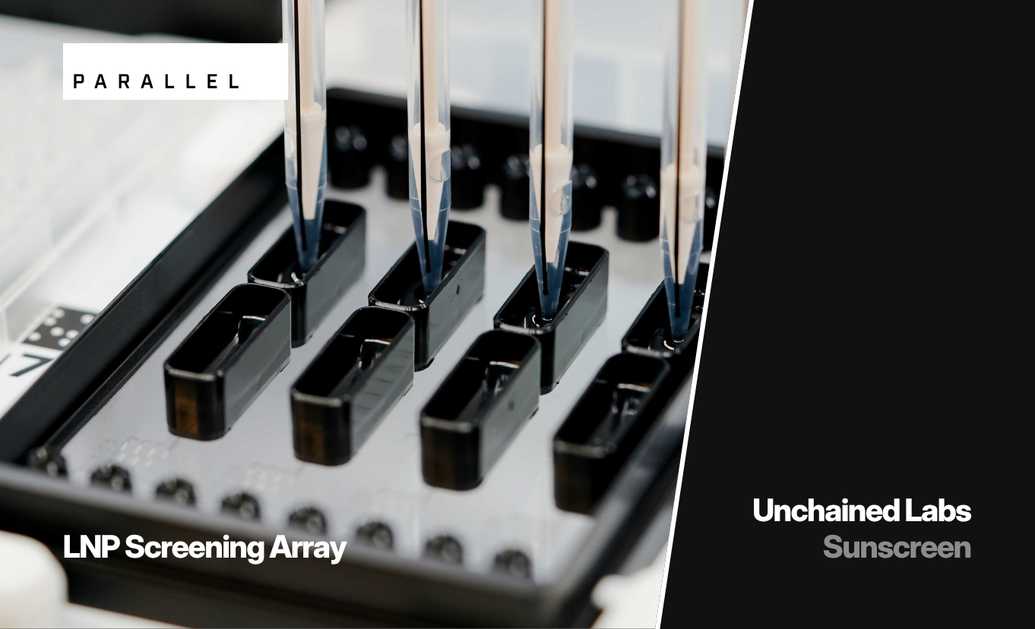
LNP Screening Array vs. Unchained Labs Sunscreen
application
overview
deep dive
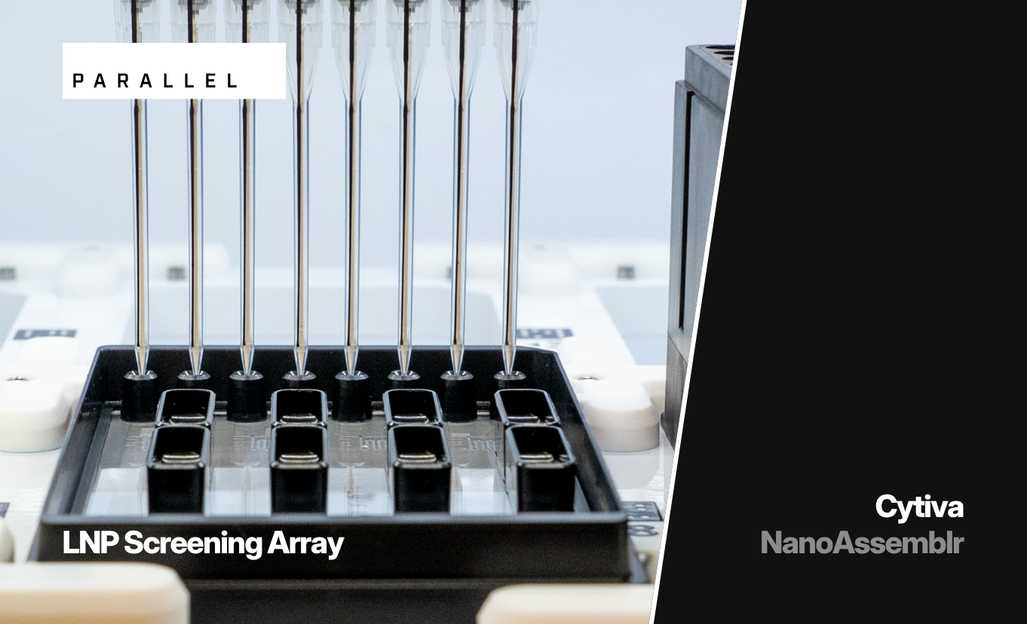
LNP Screening Array vs. Cytiva NanoAssemblr
application
overview
deep dive
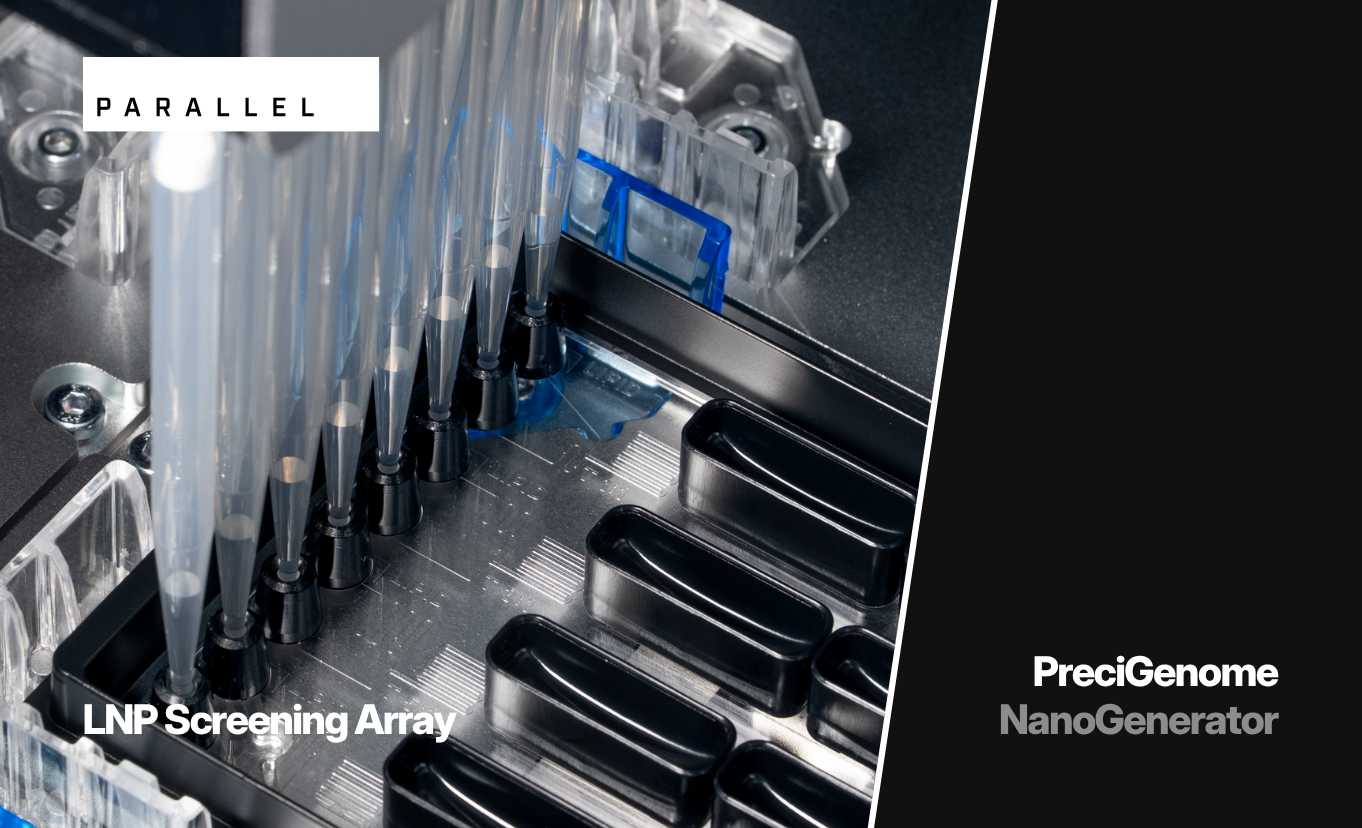
LNP Screening Array vs. PreciGenome NanoGenerator
application
overview
deep dive
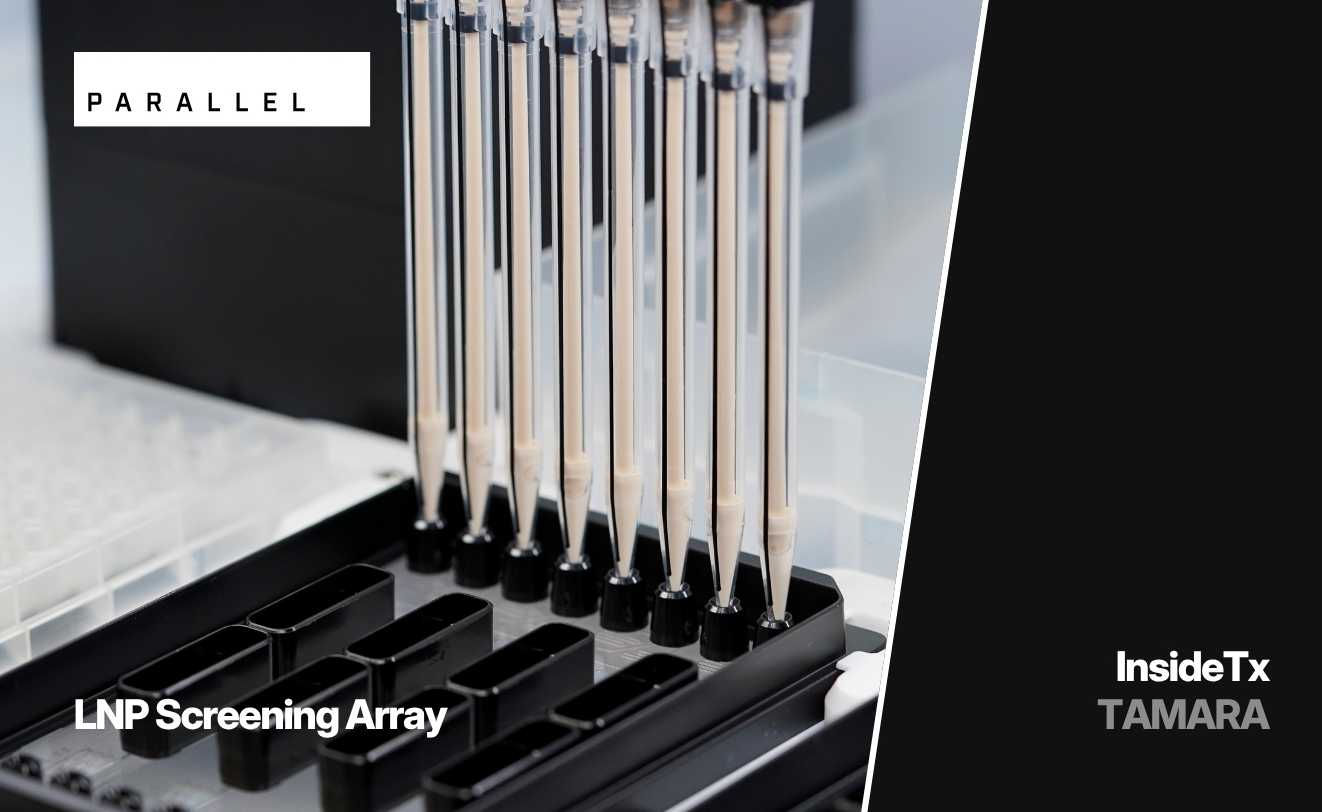
LNP Screening Array vs. TAMARA
application
overview
deep dive
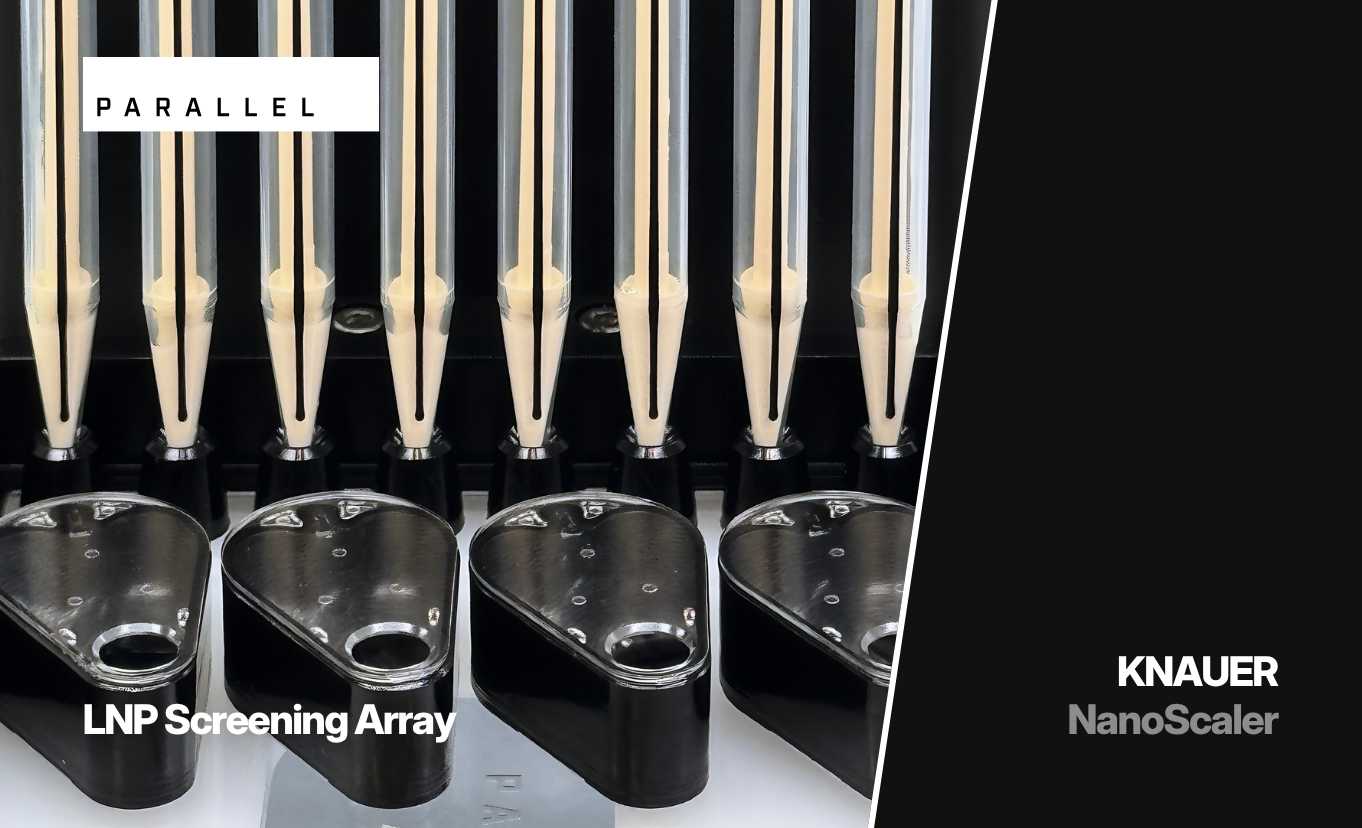
LNP Screening Array vs. KNAUER NanoScaler
application
overview
deep dive
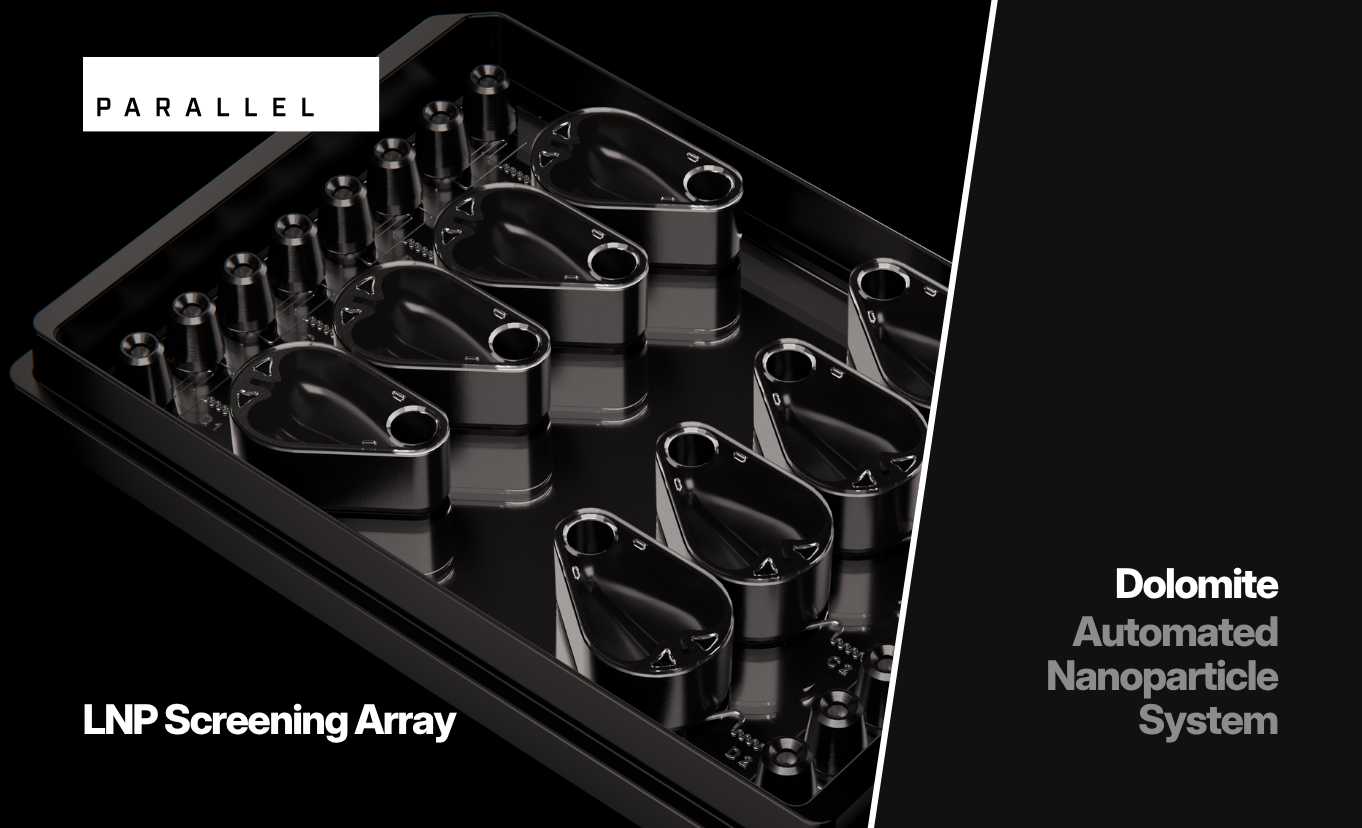
LNP Screening Array vs. Dolomite Automated Nanoparticle System
application
overview
deep dive
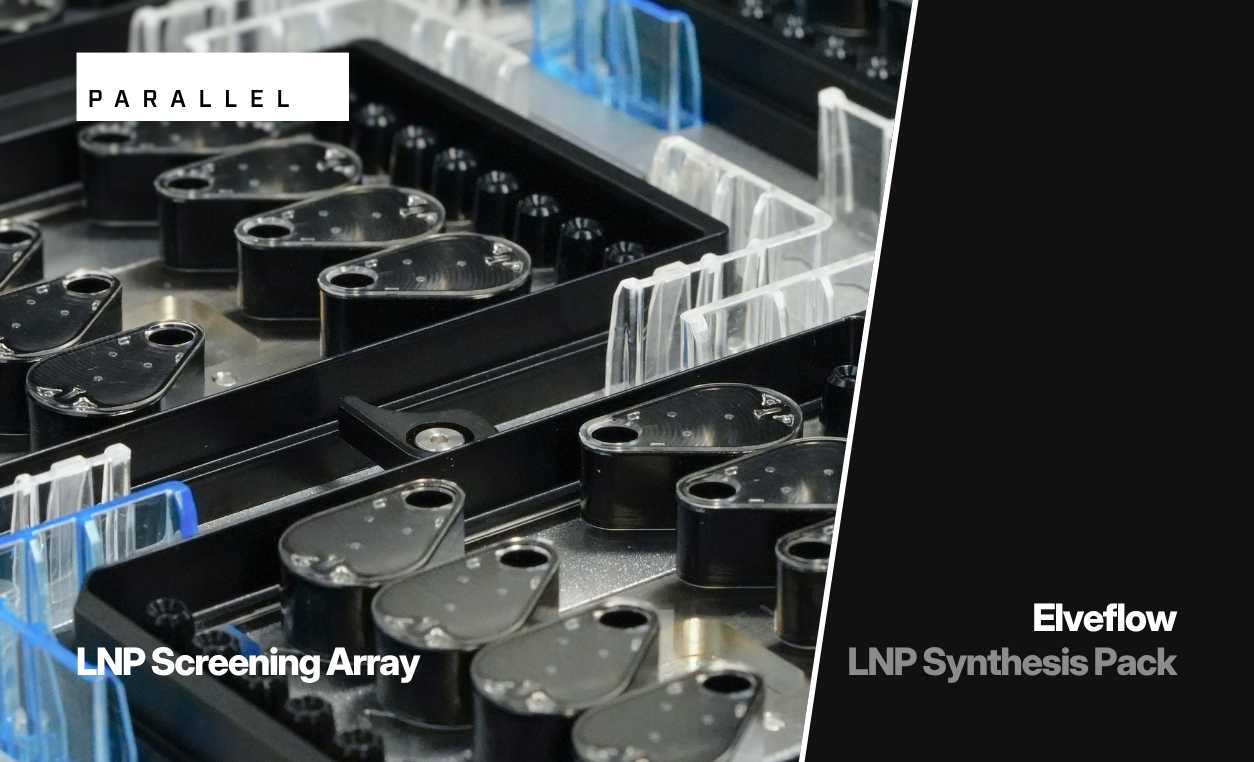
LNP Screening Array vs. Elveflow LNP Synthesis Pack
application
overview
deep dive
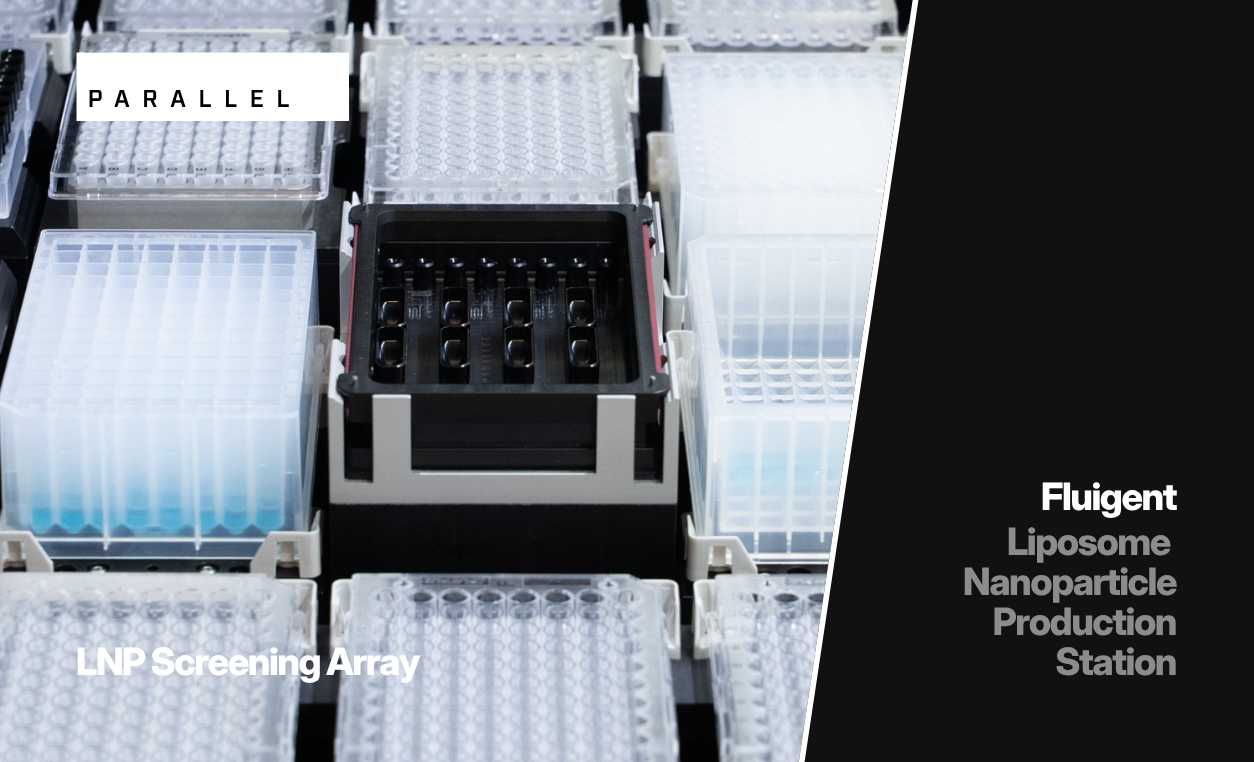
LNP Screening Array vs. Fluigent Liposome Nanoparticle Production Station
application
overview
deep dive
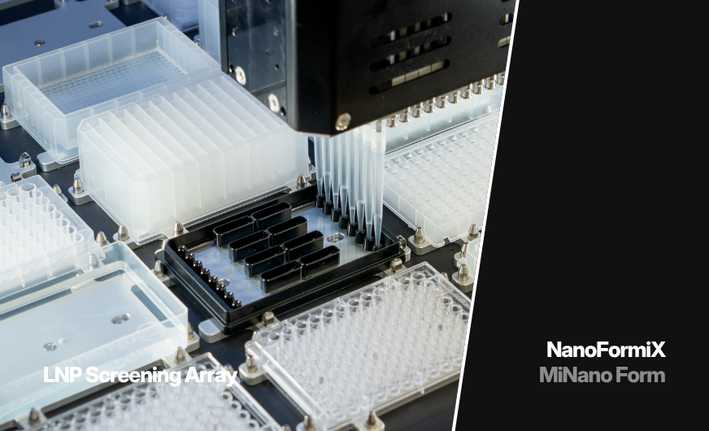
LNP Screening Array vs. NanoFormiX MiNano Form
application
overview
deep dive
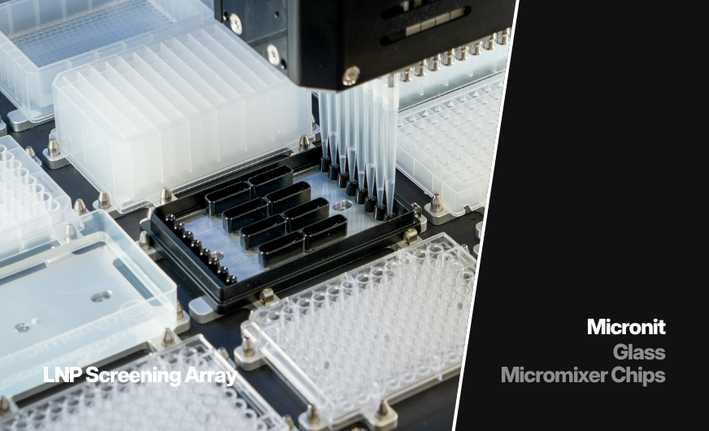
LNP Screening Array vs. Micronit Glass Micromixer Chips
application
overview
deep dive
Tubing and fitting guide for microfluidics
deep dive
How to design a microfluidic device in Solidworks
video
tutorial
CAD for microfluidics
overview
Material selection for microfluidic devices
deep dive
video
Choosing your device material
overview
3D printing vs Machining vs Transition Molding
deep dive
Manufacturing basics for microfluidic devices
deep dive
Why Microfluidic Prototype Data Fails in Production
deep dive
Hidden Costs of Microfluidic Manufacturing Transitions
deep dive
Creating flow in a microfluidic system
overview
Sterilization guide for microfluidic medical devices
deep dive
Accelerate innovation with Parallel Fluidics
overview
Drug Development & Therapeutics
overview
application
Design to device, simplified
overview
↓ Close
↓ Close